
How to Improve Fuel Efficiency in Your Caterpillar Diesel Engine
Poor fuel economy in a Caterpillar diesel engine often points to maintenance, fuel quality, operating habits, or developing mechanical problems. These practical steps can help reduce fuel waste, support engine performance, and catch efficiency problems early.
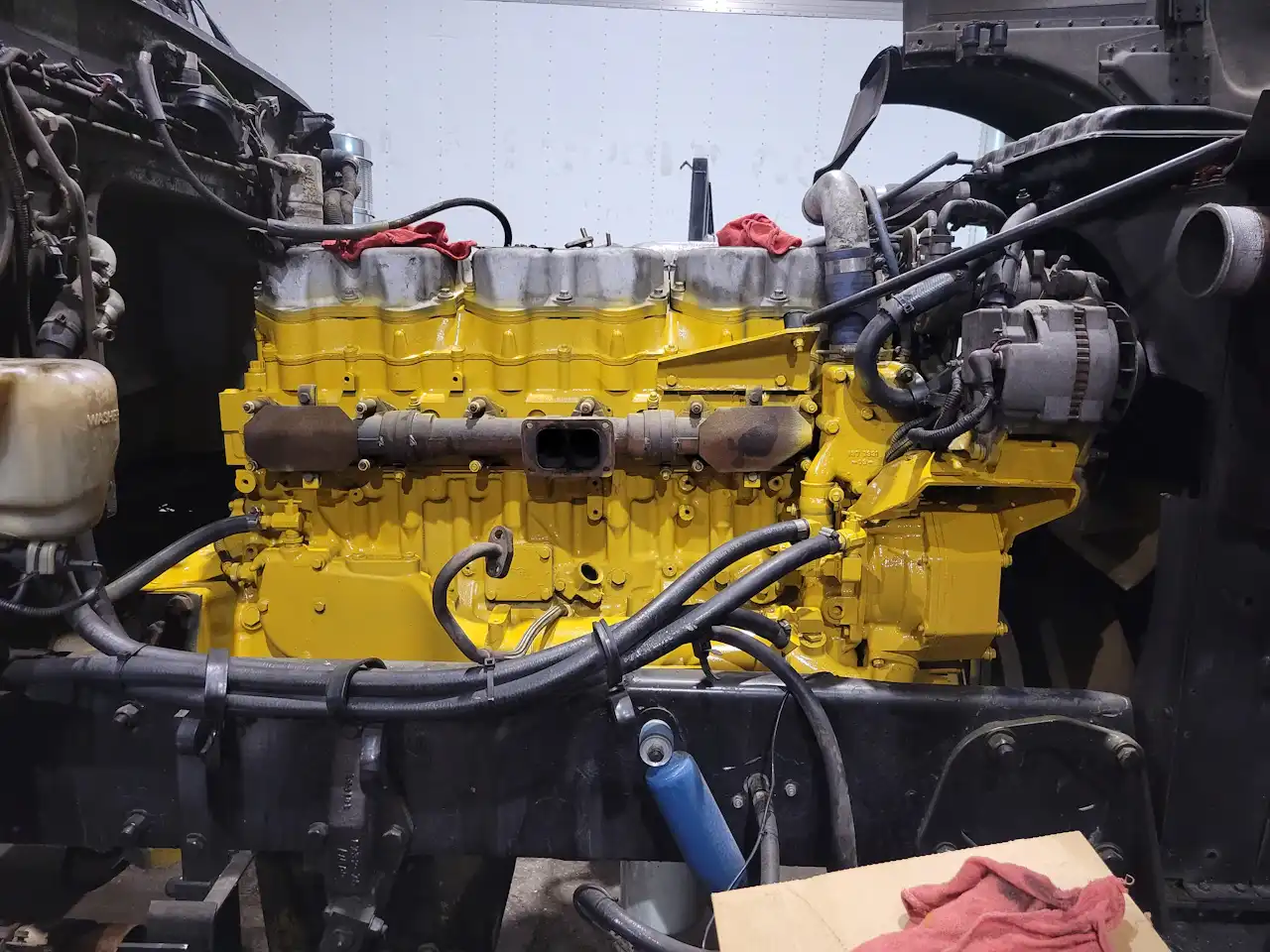
A Caterpillar diesel engine can start using more fuel long before a major failure becomes obvious. Extra idling, restricted airflow, dirty fuel, cooling problems, or worn engine components can quietly push operating costs higher.
Start by looking for changes in fuel use alongside power, smoke, temperature, and drivability. If efficiency has dropped with other symptoms, an early diesel engine repair inspection can help identify the cause before the problem grows.
Why Does Diesel Fuel Efficiency Drop Over Time?
A diesel engine turns fuel into mechanical power through compression ignition. Air enters the cylinders, fuel is injected, and compression creates enough heat for combustion to occur.
Anything that interferes with that process can reduce diesel fuel efficiency. Poor airflow, contaminated fuel, excessive heat, worn components, or inefficient operating habits may force the engine to use more fuel to produce the same amount of work.
That is why a sudden MPG change deserves attention. Fuel economy can provide an early clue that something in the engine or supporting systems is no longer working as efficiently as it should.
Keep Up With Preventive Maintenance
Regular preventive maintenance gives you the best chance of catching fuel-wasting problems early. Heavy-duty maintenance should include routine fluid checks, brake inspections, tire checks, and evaluations of systems that affect engine operation.
For your Caterpillar engine, pay close attention to:
- Engine oil condition and level
- Air filter condition
- Fuel system performance
- Coolant level and condition
- Belts and cooling components
- Active fault codes
- Unusual smoke or engine noise
Small problems can slowly increase fuel use without causing an immediate breakdown. A consistent maintenance schedule makes those changes easier to spot.
Make Sure the Engine Gets Enough Clean Air
Diesel combustion depends heavily on airflow. A restricted air filter can limit the amount of clean air entering the engine, which may affect combustion quality and engine performance.
The air filter also protects the engine from debris and contaminants before air enters the cylinders. Inspect filters according to the truck's service schedule and operating environment. Dusty job sites, construction areas, and other dirty conditions around Kernersville, NC, may justify more frequent checks.
Do not replace filters solely because they look slightly discolored. Follow the manufacturer’s recommended inspection and replacement procedure so you do not waste parts or leave a restriction in place too long.
Protect the Fuel System From Diesel Fuel Contamination
Clean fuel supports proper injection and combustion. Water, dirt, microbial growth, and other diesel fuel contamination can interfere with the fuel system and create performance problems.
Modern diesel injection systems depend on precise fuel delivery. Contaminants can affect injectors, pumps, filters, and the quality of combustion inside the cylinders.
Learning the common types of fuel contaminants can help you recognize why fuel quality matters even when the engine still runs.
Watch for symptoms such as:
- Hard starting
- Rough operation
- Reduced power
- Increased smoke
- Frequent fuel filter problems
- Unexpected fuel economy changes
If several trucks fuel from the same storage tank and develop similar symptoms, inspect the fuel source as part of the diagnosis.
Reduce Unnecessary Engine Idling
Extended idling burns fuel without moving the truck. Over time, that can make a noticeable difference in overall diesel fuel efficiency, especially for vocational trucks that spend much of the day waiting at job sites or loading areas.
Some idle time is necessary for specific operating conditions. The goal is to remove idle time that serves no useful purpose.
Fleet managers can review driver habits and route schedules to find repeat periods where trucks remain running unnecessarily. Even simple operational changes can lower fuel use without changing the engine itself.
Idling can also keep engine and exhaust temperatures lower than they would be under normal load. That operating pattern may affect other diesel systems, so limiting unnecessary idle time can support more than fuel economy.
Keep the Cooling System Working Properly
Diesel engines create a tremendous amount of heat, and the cooling system must remove it consistently. Engine coolant absorbs heat from the engine and carries it to the radiator, where that heat transfers to outside air.
A weak water pump, restricted radiator, low coolant level, or malfunctioning fan clutch can interfere with temperature control. The fan clutch is especially important at lower speeds, where natural airflow through the radiator decreases.
An engine that consistently operates outside its intended temperature range may not perform efficiently. Address overheating or unusual temperature changes instead of treating them as normal during North Carolina summer operation.
Watch for Changes in Fuel Injector Performance
Fuel injectors spray atomized diesel fuel into the combustion chamber. Their timing and spray quality play a direct role in how efficiently the engine burns fuel.
Poor fuel injector performance may show up as rough running, smoke, power loss, hard starting, or higher fuel consumption. Those symptoms can overlap with other problems, so diagnosis matters.
Avoid replacing injectors based on fuel economy alone. A technician should evaluate the fuel system, airflow, fault codes, operating conditions, and other possible causes before recommending major repairs.
A well-maintained engine should deliver fuel accurately and burn it efficiently. When that process starts changing, MPG often changes with it.
Why Is My Caterpillar Diesel Losing Power And Using More Fuel?
Power loss and increased fuel consumption can point to airflow restrictions, fuel delivery problems, injector faults, cooling issues, sensor problems, or internal engine wear. For a closer look at the possible causes, read why diesel engines lose power.
Address Engine Power Loss Quickly
A truck that needs more throttle than usual to maintain speed may consume more fuel simply because the engine is working harder to produce the expected output.
Loss of power can come from several areas, including:
- Airflow restrictions
- Fuel delivery problems
- Injector issues
- Cooling problems
- Turbocharger faults
- Sensor or control issues
- Internal engine wear
Do not assume every mileage drop is a fuel-system problem. Look at the truck's entire operating picture.
If power loss and increased fuel use appear together, diagnosis becomes even more important. Those two symptoms often give technicians useful clues about where to start testing.
Use the Correct Oil and Maintain Proper Lubrication
Engine oil lubricates internal components and reduces friction as the engine operates. It also absorbs heat before moving through the oil cooler in many heavy-duty applications.
Low oil, degraded oil, or the wrong lubricant can increase wear and interfere with normal engine operation. Follow Caterpillar's required oil specification and service interval for your particular engine.
Do not extend oil changes simply to save maintenance costs. Poor lubrication can create far more expensive problems than the oil service you skipped.
Match the Engine to Its Workload
Caterpillar offers industrial diesel engines for many applications, and each engine is designed around particular operating demands.
For trucks and equipment, load, gearing, route conditions, idle time, and driver behavior all influence fuel use. An engine that constantly works near its limits will usually use more fuel than one operating comfortably within its intended range.
Avoid unnecessary overloads and pay attention to changes in how hard the engine has to work. If the same route suddenly requires more throttle or produces worse MPG, something may have changed mechanically.
How Can You Track Fuel Economy More Accurately?
One tank of fuel rarely tells the whole story. Track fuel economy over several fill-ups and compare similar routes, loads, and operating conditions.
Useful records include:
- Miles traveled
- Fuel added
- Idle hours
- Average load
- Route type
- Maintenance dates
- Driver-reported symptoms
Patterns matter more than isolated numbers. If MPG falls steadily across several weeks, you have stronger evidence of a developing issue.
Fleet records also help technicians connect fuel use with repairs. A filter change, injector repair, cooling-system service, or other maintenance event may show a measurable change in efficiency afterward.
Improve Caterpillar Engine Efficiency
Better fuel efficiency starts with clean air, clean fuel, proper lubrication, controlled engine temperature, reduced idling, and consistent maintenance. Watch for power loss, smoke, rough running, or sudden MPG changes because those symptoms can point to a mechanical problem behind the fuel use.
If your Caterpillar engine is burning more fuel than expected, contact Competition Truck Repair. A proper inspection can help determine whether the cause is maintenance-related, fuel-system related, or tied to a developing engine fault.
